
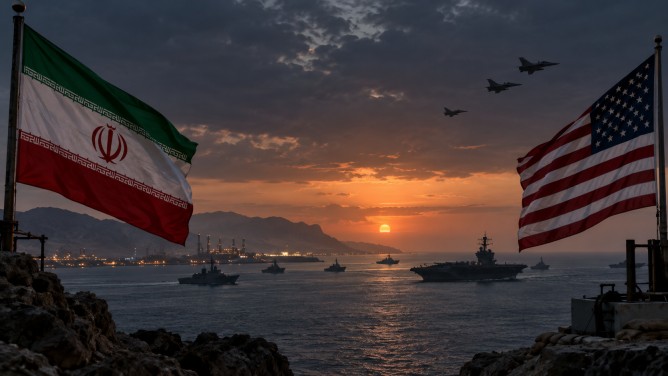
As tensions escalate across the Middle East, the United States and Iran have traded fresh threats, heightening the risk of conflict in the region. U.S. President Donald Trump has urged Tehran to engage in negotiations, warning of severe repercussions if Iran fails to comply. Meanwhile, Iranian military officials have vowed retaliation against U.S. interests in the event of any new American attack.
Despite the heated exchanges, Trump expressed openness to a potential meeting with Iranian President Masoud Pezeshkian during the United Nations General Assembly in New York. This offer hints at a possible diplomatic avenue amid the ongoing confrontation, though no concrete plans for such a meeting have been confirmed.
Compounding the regional instability, Yemen’s Houthi movement has intensified its offensive against Saudi Arabia, claiming responsibility for missile and drone strikes targeting Riyadh and an oil facility in Yanbu. Saudi authorities reported intercepting a missile aimed at the capital, while other attacks were reportedly thwarted.
The Houthi attacks have raised alarms over regional security and the stability of energy supplies, as increased activity around Yemen’s Red Sea coast and the Bab el-Mandeb Strait poses risks to commercial shipping. Furthermore, ongoing restrictions in the Strait of Hormuz continue to exert pressure on global energy markets.
These developments have disrupted oil shipments and contributed to elevated energy prices. However, a recent easing of oil prices on September 21 suggests markets are cautiously optimistic about the potential for renewed diplomatic efforts and a partial rebound in Saudi exports.