
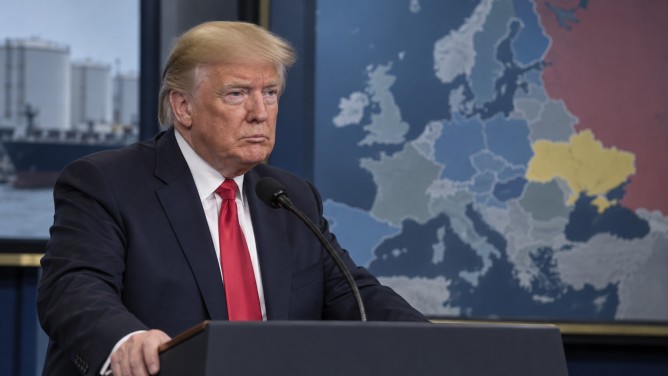
US President Donald Trump has announced an agreement with Russian President Vladimir Putin to supply significant quantities of Russian diesel to international markets. This move has sparked criticism from Ukrainian President Volodymyr Zelenskyy, US lawmakers, and European allies. The deal aims to bring over 300,000 tonnes of diesel to market, with additional shipments planned for November, in an effort to reduce fuel prices in the United States and other regions.
The announcement comes amid rising fuel costs linked to disruptions in global energy supplies, particularly due to the conflict involving Iran and the closure of the Strait of Hormuz. These higher prices have burdened American businesses and consumers, particularly affecting farmers, ranchers, and transport operators.
However, Zelenskyy condemned the agreement, stating that it could provide Moscow with additional resources to continue its war against Ukraine. He expressed concern that this deal might undermine international efforts to pressure Russia into ending the conflict and could overshadow ongoing diplomatic discussions involving Ukrainian, American, and European officials.
Criticism also emerged from American lawmakers. Democratic leaders argued that purchasing Russian fuel might conflict with existing sanctions aimed at restricting Moscow’s energy revenues. Some Republican lawmakers echoed these concerns, warning that increased revenue for Russia could bolster its military operations against Ukraine.
The agreement was announced during a time when US representatives were engaging with Ukrainian and European officials to discuss proposals for ending the war. This development could complicate diplomatic efforts and further strain relations between Washington and Kyiv.
Despite the backlash, Trump defended the agreement, emphasizing the necessity of reducing energy costs for American consumers. However, the arrangement has raised questions about how the United States will balance domestic fuel-price concerns with its broader policy toward Russia and the ongoing conflict in Ukraine.