
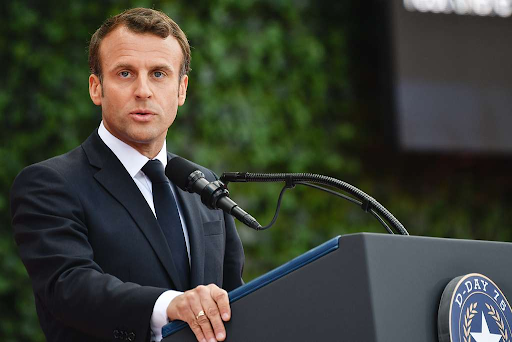
Emmanuel Macron left the AI Impact Summit in Delhi having made his case compellingly. He defended European AI regulation against American criticism, built a coalition with Guterres and Modi around child safety and global governance, and placed 1.2 million child victims of AI deepfakes at the centre of an international debate that could easily have reduced them to a footnote. The speech was a success. Now comes the harder part.
The first challenge is converting political alignment into binding commitments through the G7 presidency. Alignment among leaders at a summit is not the same as enforceable international standards. Macron’s goal — internationally coordinated child safety requirements for AI developers and platforms — requires not just agreement but implementation, monitoring and enforcement mechanisms that do not yet exist at the international level. Building them through the G7 process will require sustained political attention and careful diplomacy.
The second challenge is managing American resistance. The Trump administration’s opposition to AI regulation is not merely rhetorical — it reflects a genuine and politically powerful conviction that regulatory frameworks harm American competitiveness. Achieving meaningful G7 commitments without American buy-in would be significant but incomplete. Achieving them with American buy-in would require either a change in the administration’s position or a framing of child safety standards narrow enough to accommodate American concerns — neither of which is straightforward.
The third challenge is ensuring that domestic policy matches international ambition. France’s proposed ban on social media for under-15s is moving through the legislative process, but implementation will be complex and contested. The credibility of Macron’s international leadership depends partly on France demonstrating that its domestic commitments are real rather than aspirational.
The fourth challenge is maintaining momentum as the political calendar advances. International AI governance is a crowded and rapidly moving space. Keeping child safety at the centre of the G7 agenda as other issues compete for attention will require exactly the kind of sustained political commitment that summits promise and governing reality often erodes.
Macron knows all of this. His Delhi speech was designed not just to make an argument but to create political conditions — a clearer coalition, a stronger evidence base, a more visible international consensus — that make the subsequent work more achievable. Whether it proves sufficient will be known by the time the G7 meets under France’s presidency. The children who need protection are counting on the answer being yes.