
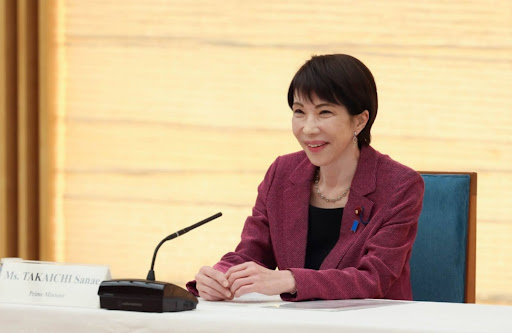
Japan’s government has confirmed it will begin its biggest-ever oil release from national stockpiles, a sweeping measure designed to prevent domestic energy shortages as the Middle East conflict continues to escalate. Prime Minister Sanae Takaichi made the announcement on X, saying the release of roughly 80 million barrels will start Thursday. The volume equals 45 days of Japan’s total national oil demand.
The Strait of Hormuz, through which a significant portion of the world’s oil passes, has been destabilized by the ongoing US-Israel military conflict with Iran. Japan, which imports more than 90% of its crude from the Middle East, faces serious risks if tanker traffic through the strait remains obstructed. The government’s response reflects the urgency of securing a stable energy supply for the world’s third-largest economy.
This emergency drawdown is 1.8 times larger than the one implemented after the 2011 Fukushima nuclear disaster and tsunami, demonstrating the unprecedented nature of the current energy threat. Japan’s total national oil reserves sat at approximately 470 million barrels at year’s end — covering 254 days of consumption. Both government-owned and private-sector reserves are being made available to domestic refiners.
The administration has also moved to shield consumers from rising fuel costs, capping gasoline prices at around ¥170 per litre through newly introduced subsidies following a record high of ¥190.8. Social media misinformation has meanwhile stirred unnecessary panic about toilet paper shortages, though officials and industry leaders have firmly clarified that supply is secure. Around 97% of Japan’s toilet paper is produced domestically using recycled materials, with no dependency on Middle East imports.
Tokyo has chosen diplomacy over military action, with Takaichi citing Japan’s postwar constitution as the reason for declining Trump’s request to dispatch naval forces to the region. Japan is working closely with international partners to advance peaceful resolution of the conflict. The government remains committed to ensuring energy security through strategic, measured action.