
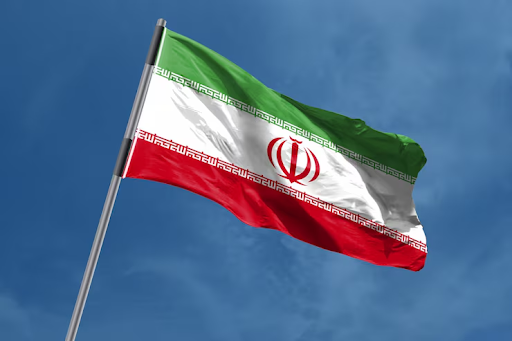
As the conflict between Iran and the United States escalates, Tehran has laid out five conditions it says must be met before it will consider ending hostilities — a counter-offer that analysts say is designed to project strength rather than invite compromise. The demands, passed to Washington through intermediaries, offer the clearest window yet into Iran’s strategic calculus and its determination to emerge from the war without appearing defeated.
Iran’s five-point plan calls for a complete cessation of military strikes and the targeted killing of Iranian officials, ironclad security guarantees against future attacks, financial reparations for war damages, and — most controversially — continued Iranian control over the Strait of Hormuz. This last demand is seen as particularly provocative in Washington, as the US ceasefire proposal specifically called for reopening the waterway to international shipping. The two positions appear fundamentally incompatible at this stage.
The military backdrop to these negotiations is one of sustained destruction on both sides. The US military has claimed to have damaged or destroyed over two-thirds of Iran’s missile, drone, and naval production facilities. Israeli forces have conducted wave after wave of airstrikes on Iranian cities, including Isfahan and Tehran. Iran has retaliated with ballistic missile launches that have triggered air raid sirens across Israel multiple times, while also targeting Gulf Arab infrastructure with drones.
Iran’s scepticism about American diplomacy is not without basis. Senior Iranian officials point out that their country was attacked during two previous periods when diplomatic progress was reportedly being made — including during the 12-day war last summer when US forces struck Iran’s nuclear facilities. Israel and the US have also eliminated much of Iran’s senior leadership, removing the more pragmatic voices that might otherwise have guided a negotiated settlement.
The international community is watching with mounting anxiety. The UN Secretary-General has called for restraint, warning against replicating the destruction of Gaza in Lebanon. China has urged both sides to talk, and regional powers including Egypt, Turkey, and Pakistan are actively lobbying for a ceasefire framework. Whether Iran’s maximalist opening position evolves into something workable — or whether the military campaign deepens further — may determine the fate of the global energy market for months to come.