
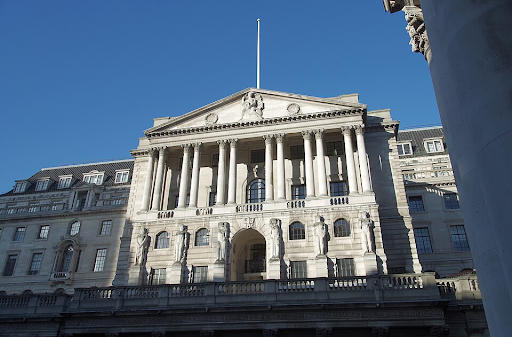
The most depressing number in the Bank of England’s report wasn’t the inflation rate; it was the GDP forecast. Bank economists expect the economy to be flat—zero growth—through the end of 2025. This suggests the UK is caught in a “stagnation trap,” where growth is too low to generate wealth, but costs are too high to stimulate spending.
In this context, a cut to 3.75% looks like tinkering around the edges. If the engine is seized, easing off the brake slightly won’t make the car move. Some economists argue that much deeper cuts—down to 2% or 2.5%—are needed to shock the economy back to life.
The “trap” is self-reinforcing. Low growth leads to low investment, which leads to lower productivity and lower wages, which leads back to low growth. High interest rates exacerbate this by making investment expensive.
The 5-4 vote shows the Bank is scared of breaking out of the trap too aggressively for fear of inflation. They are choosing “safe stagnation” over “risky growth.”
2026 will be the year the UK tries to crawl out of this trap. But without a major boost in productivity or a global economic upswing, the 3.75% rate might just be the new setting for a stagnant nation.