
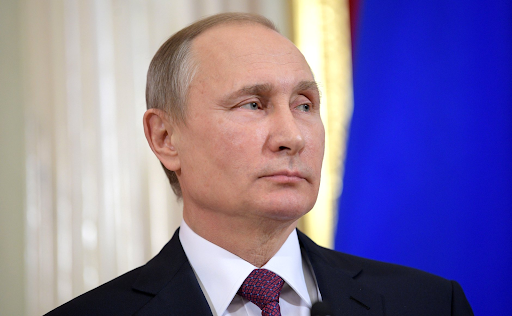
The diplomatic channel between Washington and Moscow is becoming increasingly active, with reports confirming that Donald Trump’s special envoy, Steve Witkoff, is set to visit Moscow next week. This visit comes as Vladimir Putin publicly tentatively accepts a US-backed peace plan as a “basis” for ending the war in Ukraine. However, the Russian President made it clear that acceptance comes with strings attached: specifically, a demand for Ukrainian troop withdrawals and international recognition of Russian territorial gains.
The proposal on the table has shifted significantly in recent days. Originally viewed by critics as a concession to Russian aggression—featuring demands for demilitarization and territorial cession—the plan has been reworked. Thanks to pressure from European allies, the document was trimmed from 28 points to 19, removing some of the most objectionable clauses. This revision has seemingly opened the door for Kyiv to enter negotiations, with Ukrainian officials signaling readiness to discuss the remaining “sensitive points.”
Despite the progress on paper, the rhetoric from the Kremlin remains hostile. Putin has reiterated that if Ukraine does not voluntarily withdraw from held territories, Russia will achieve its goals through war. He also continues to attack the political legitimacy of President Zelensky, creating a paradoxical situation where Russia agrees to a plan involving Ukraine but claims it cannot legally sign a deal with its leader.
For Zelensky, the revised plan offers a lifeline, albeit a frayed one. He has moved from calling the situation an “impossible choice” to acknowledging that compromises may be inevitable, noting that “even the strongest metal can break.” The pressure to end the war is immense, but the cost of peace—potentially including a permanent bar on NATO entry—remains a contentious issue for Ukraine’s future security.
As Witkoff prepares for his Moscow trip, the backdrop is far from peaceful. Russian forces continue to launch attacks, including a recent drone strike in Zaporizhzhia that damaged residential buildings. The coming weeks will be critical in determining whether the revised US plan can actually bridge the gap between Putin’s ultimatum and Ukraine’s need for a just peace, or if it will simply serve as a pause in an ongoing war.