
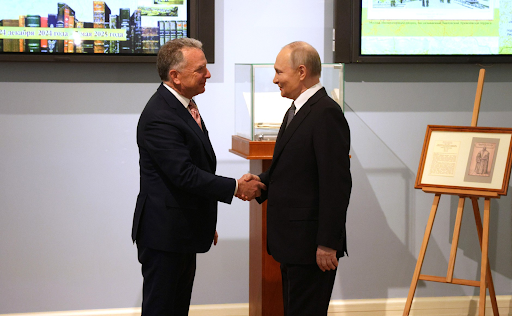
The possibility of immediate Trump-Putin discussions has emerged following breakthrough developments in diplomatic efforts to resolve the Ukraine crisis. Administration officials suggest such a meeting could materialize within days, building on momentum generated by special envoy Witkoff’s effective engagement with Russian leadership in Moscow.
The diplomatic progress represents the culmination of sustained behind-the-scenes preparation by American officials seeking to create opportunities for meaningful high-level dialogue. Trump’s public statements reflect cautious optimism about the potential for direct engagement while acknowledging the complex challenges involved in resolving the prolonged conflict. The proposed timeline suggests confidence in current diplomatic trajectories.
Trump’s strategy prioritizes direct presidential communication as essential for addressing the war’s most contentious issues. The envisioned diplomatic process involves initial bilateral engagement with Putin before expanding to trilateral discussions that include Ukrainian participation. This approach recognizes both the importance of focused negotiation and the need for comprehensive representation in sustainable peace agreements.
The diplomatic initiative coincides with intensified economic pressure on Russia through sanctions targeting countries that continue supporting Moscow through oil purchases. Trump’s recent imposition of additional tariffs on Indian goods exemplifies this comprehensive strategy, demonstrating willingness to impose costs on third parties that enable Russian war financing. This multifaceted approach acknowledges that successful diplomacy requires both incentives for cooperation and consequences for continued aggression.