
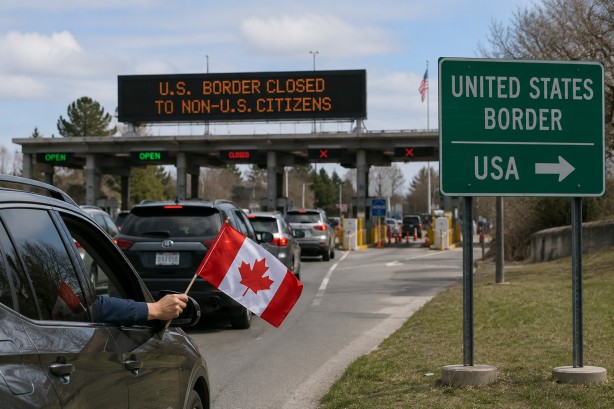
In 2025, Canadians significantly reduced their travel spending in the United States, with expenditures dropping by $3.3 billion compared to 2024. This decrease, from $22.1 billion in 2024 to $18.8 billion in 2025, highlights a notable shift in travel preferences amid ongoing political and trade tensions between the two countries. Instead of traveling to the U.S., Canadians increasingly opted for other international destinations, leading to a rise in overseas travel spending.
During the same period, Canadian expenditures on international travel outside the United States surged by $3.6 billion, reaching a total of $22.8 billion. The trend was particularly evident in travel to Europe and Asia, which saw increases of nearly 14% and almost 17%, respectively. This suggests that many Canadians are choosing to explore other parts of the world over the U.S., potentially due to the diplomatic climate affecting cross-border relations.
The decline in travel to the U.S. was also reflected in reduced border traffic throughout 2025. Return trips from the U.S. to Canada by both road and air decreased by approximately 25% compared to the previous year. July experienced the most significant drop, with border crossings plummeting by about one-third, indicating a marked change in travel behavior during the peak travel season.
This trend of reduced travel to the United States has persisted into 2026, with travel volumes continuing to lag behind previous levels. Officials have acknowledged that these figures point to a sustained shift in Canadian travel behavior, with fewer citizens opting to visit the U.S. Despite the historical popularity of short jaunts across the border, Canadians now appear to be favoring destinations further afield, reflecting broader changes in travel patterns.