
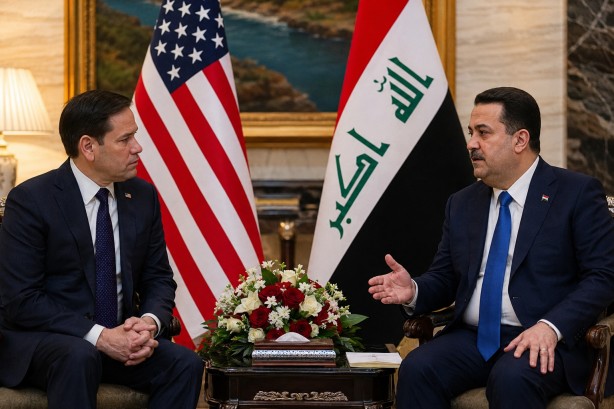
Iraqi Prime Minister Ali Al Zaidi has completed a notable visit to Washington, where he successfully forged economic agreements and worked to bolster the relationship between Iraq and the United States. This visit was part of Iraq’s broader initiative to lure investment and enhance security cooperation, while also showcasing Al Zaidi’s image as a leader focused on reform.
During his time in the U.S., Al Zaidi received a warm welcome from American officials, underscoring the potential for stronger bilateral ties. However, analysts have expressed concerns about the challenges Iraq might face in implementing crucial commitments, such as enacting security reforms and modernizing its economy. These hurdles are primarily due to Iraq’s complex political landscape and the significant influence exerted by Iran-backed groups within the country.
Experts emphasize that Iraq’s ability to navigate these internal and external pressures will be critical. Baghdad must adeptly manage its relationships with both Washington and Tehran, especially as regional tensions continue to simmer. The delicate balancing act required to maintain these diplomatic ties remains a significant test for Iraqi leadership.
Although the visit has opened pathways for increased cooperation between the U.S. and Iraq, the ultimate success of these efforts hinges on the Iraqi government’s capacity to implement promised reforms. Maintaining stable relations with both major powers, the United States and Iran, will be essential for Iraq’s ongoing diplomatic strategy and regional stability.