
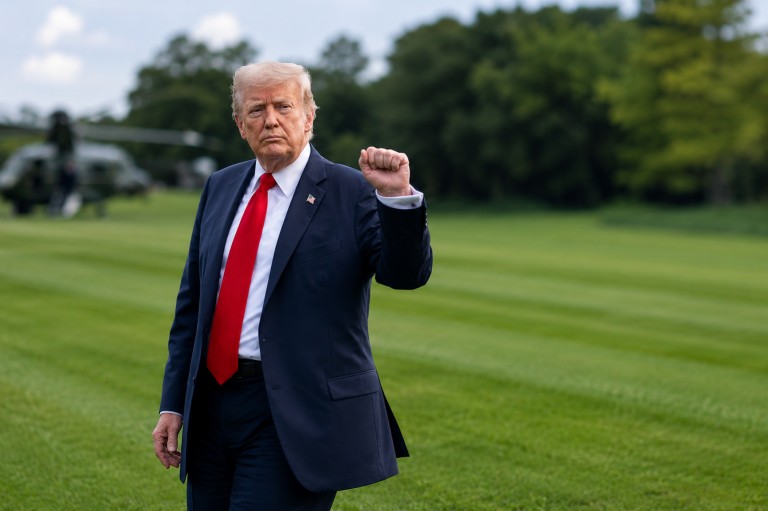
NATO allies and defense leaders are grappling with confusion following former U.S. President Donald Trump’s unexpected decision to deploy an additional 5,000 American troops to Poland. This announcement came on the heels of a previous directive to reduce U.S. military presence in Europe by a similar number, sparking uncertainty about America’s commitment to European security.
Initially, the U.S. administration had signaled plans to withdraw about 5,000 troops from Europe, putting an end to the rotation of personnel from Germany to Poland. This move had already stirred concerns among NATO members regarding the long-term U.S. military strategy on the continent. The abrupt reversal to instead increase troop numbers in Poland, attributed to strong ties with Polish President Karol Nawrocki, has caught many by surprise.
The sudden shift in strategy has reportedly left both NATO allies and U.S. defense officials scrambling to adjust military plans that had been set in motion following the earlier announcement. The inconsistency has led to a broader sense of uncertainty among European leaders about future U.S. military deployments, especially as tensions with Russia persist due to the ongoing conflict in Ukraine.
U.S. Secretary of State Marco Rubio has attempted to reassure allies, stating that the United States is evaluating its global military posture and hinting that troop levels in Europe might still experience reductions in the future. Currently, there are approximately 80,000 U.S. troops stationed throughout Europe as NATO continues to deliberate on defense strategies and troop commitments, particularly along its eastern borders.
In light of these developments, NATO Secretary-General Mark Rutte has stressed the importance for European nations to bolster their own security measures alongside existing U.S. support. As discussions continue, NATO members remain vigilant, closely watching Washington’s evolving military strategies.