
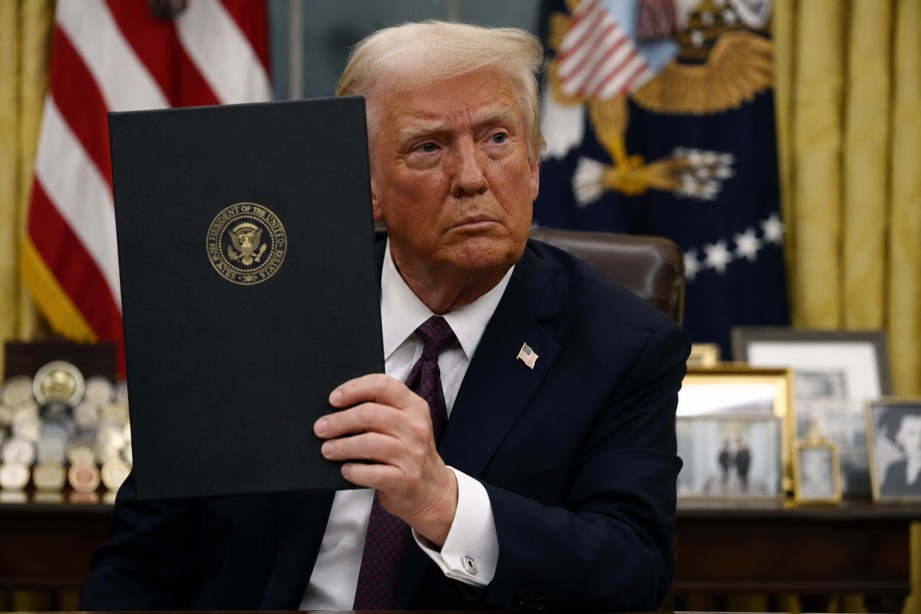
In a surprising move, President Donald Trump dismissed Roger Rogoff from his newly appointed role as the US Attorney for Western Washington just minutes after Rogoff was unanimously selected and sworn in by federal judges. Rogoff, who holds an extensive background as both a judge and a prosecutor at the state and federal levels, was informed of his removal via an email from the Trump administration shortly after taking the oath. He is currently contemplating legal action in response to his abrupt dismissal.
The sequence of events leading to Rogoff’s appointment began with the expiration of the previous interim US attorney’s term. With no Senate-confirmed nominee available to fill the position, federal judges exercised their authority to appoint Rogoff, filling the vacancy. Despite this judicial appointment, the Trump administration defended its decision to remove Rogoff, asserting that while courts can appoint temporary US attorneys, the president ultimately holds the power to dismiss them.
This incident has sparked a heated debate surrounding the balance of power in judicial appointments and executive authority. Critics of the administration argue that Trump’s actions undermine the traditional process of selecting top federal prosecutors, raising concerns about the potential erosion of judicial independence.
Rogoff’s dismissal has drawn significant attention to the ongoing tensions between the executive branch and the judiciary over the appointment of federal prosecutors. As discussions continue, the legal community and political observers are closely watching for any further developments, particularly in relation to Rogoff’s consideration of legal action against the administration.